
Water Heater Leaking From the Bottom and What It Means
Published
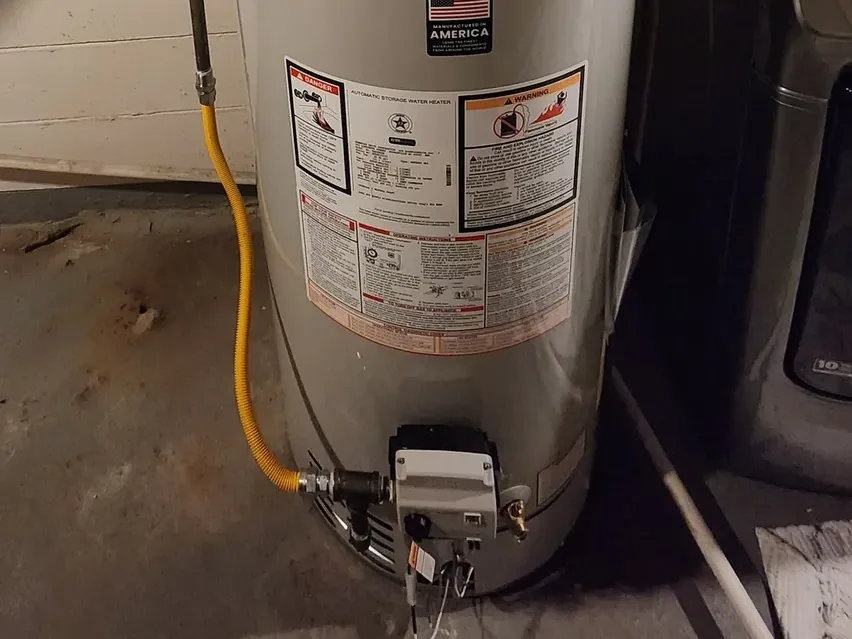
Finding water around the base of your water heater is never a good feeling. Sometimes the cause is a loose fitting or a valve that needs attention. Other times it is the first sign that the tank itself is failing. Knowing the difference helps you decide what to do next and how quickly you need help.
This guide walks homeowners in Muncie and across East Central Indiana through the safe first steps, the most common causes of a leak at the bottom of the tank, and when it is time to call a plumber.
Make the Area Safe First
Before you start looking for the source, take care of safety.
- Keep water away from electricity. If water is spreading toward outlets, extension cords, or your electrical panel, do not walk through it or touch anything electrical. Call a qualified electrician or your utility.
- If you smell gas, leave the house. Do not flip switches or use anything that could spark. Once you are outside, call your gas utility or 911.
- Shut off the water supply if you can do it safely. Most tank water heaters have a cold water shut-off valve on the pipe at the top of the unit. Closing it stops more water from entering the tank.
- Turn off the energy source. For an electric unit, switch off its breaker. For a gas unit, turn the gas control to the off or pilot setting as shown on the label. If you are not comfortable doing this, leave it for a professional.
- Stay clear of the relief valve. Water coming from the temperature and pressure relief valve can be scalding hot.
Is the Water Really Coming From the Water Heater?
Not every puddle near the tank starts at the tank. Before assuming the worst, check what else sits nearby. A furnace, air conditioner, water softener, or nearby supply line can all drip onto the floor beside a water heater.
Dry the area completely with towels, then check back a little later. Look for where fresh water appears first. Water that starts at a pipe above the heater and runs down the side points to a connection problem, not the tank.
Common Causes of a Leak at the Bottom of the Tank
The Drain Valve
Every tank water heater has a drain valve near the bottom. It is used to flush sediment out of the tank. If the valve is loose, worn, or not fully closed, it can drip steadily onto the floor. This is one of the more straightforward repairs.
The Temperature and Pressure Relief Valve
This safety valve releases water when the temperature or pressure inside the tank gets too high. Its discharge pipe usually runs down the side of the tank toward the floor, so a leak here can look like it is coming from the bottom. A valve that drips constantly may be faulty, or it may be doing its job because pressure or temperature in the tank is too high. Either way, it needs a professional diagnosis, not a plug or a cap.
Loose Connections Above the Tank
The cold inlet and hot outlet connections on top of the heater can loosen or corrode. Water then runs down the outside of the tank and collects at the base, which makes the leak look worse than it is.
Condensation on Gas Units
Gas water heaters can produce condensation, especially when cold water first fills the tank. A small amount of moisture that goes away once the water heats up is usually normal. Steady pooling is not.
A Leaking Tank
If water is coming from the tank itself, the inner tank has usually corroded through. Sediment and mineral buildup speed up this process. Hard water, which is a common plumbing challenge in East Central Indiana homes, adds to that buildup over time. A leaking tank cannot be patched. It needs to be replaced.
Valve Leaks vs Tank Leaks
A plumber will confirm the source, but these signs can help you understand what you are looking at.
Signs the problem is likely a valve or fitting:
- Water drips from the drain valve, the relief valve pipe, or a connection on top
- The tank surface is dry where the water is not running down it
- Tightening or closing a valve slows the drip
Signs the tank itself may be failing:
- Water seeps from under the tank with no visible source above it
- Rust is visible on the bottom or seams of the tank
- Your hot water looks rusty or discolored
- You hear rumbling or popping from inside the tank
ENERGY STAR's guide on when to replace your water heater lists leaks, visible corrosion, rust in the water, and rumbling noises among the common warning signs of a failing unit.
Repair or Replace?
Valve and connection problems can often be repaired. A leaking tank, on the other hand, means replacement. Other factors that point toward replacement include repeated repairs, rusty hot water, and a unit that struggles to keep up with your household.
If replacement is the right call, it is also a chance to choose a better fit for your home. ENERGY STAR's buying guidance for high efficiency gas storage water heaters explains how a unit's capacity and first-hour rating affect how much hot water it can deliver, which is why sizing matters. If you are weighing a different type of system, ENERGY STAR also covers whole-home gas tankless water heaters and heat pump water heaters.
Our water heater repair and installation services cover traditional tank units and tankless upgrades, and we will explain whether a repair or a replacement makes more sense before any work begins.
When to Call a Plumber
Call a professional if any of the following apply:
- Water is actively pooling and you cannot find or stop the source
- The leak is coming from the tank itself
- The relief valve keeps discharging water
- You have no hot water along with the leak
- You smell gas near the unit (call your gas utility first, from outside)
If water is spreading quickly or threatening floors, walls, or stored belongings, treat it as an emergency. Our emergency plumbing team handles water heater leaks and other urgent problems across East Central Indiana. If the leak turns out to be somewhere else in your plumbing, our leak detection and pipe repair services can track it down.
For anything that can wait, request a free quote and we will schedule a visit to diagnose the problem and walk you through your options.
Contact Covenant Waterworks
Have a leaking water heater in Muncie or East Central Indiana? Reach out to our team today.
Contact Number: (765) 713-5746
Email: covenantwaterworks@gmail.com