
Sewage Backing Up Into Your Basement and What to Do First
Published
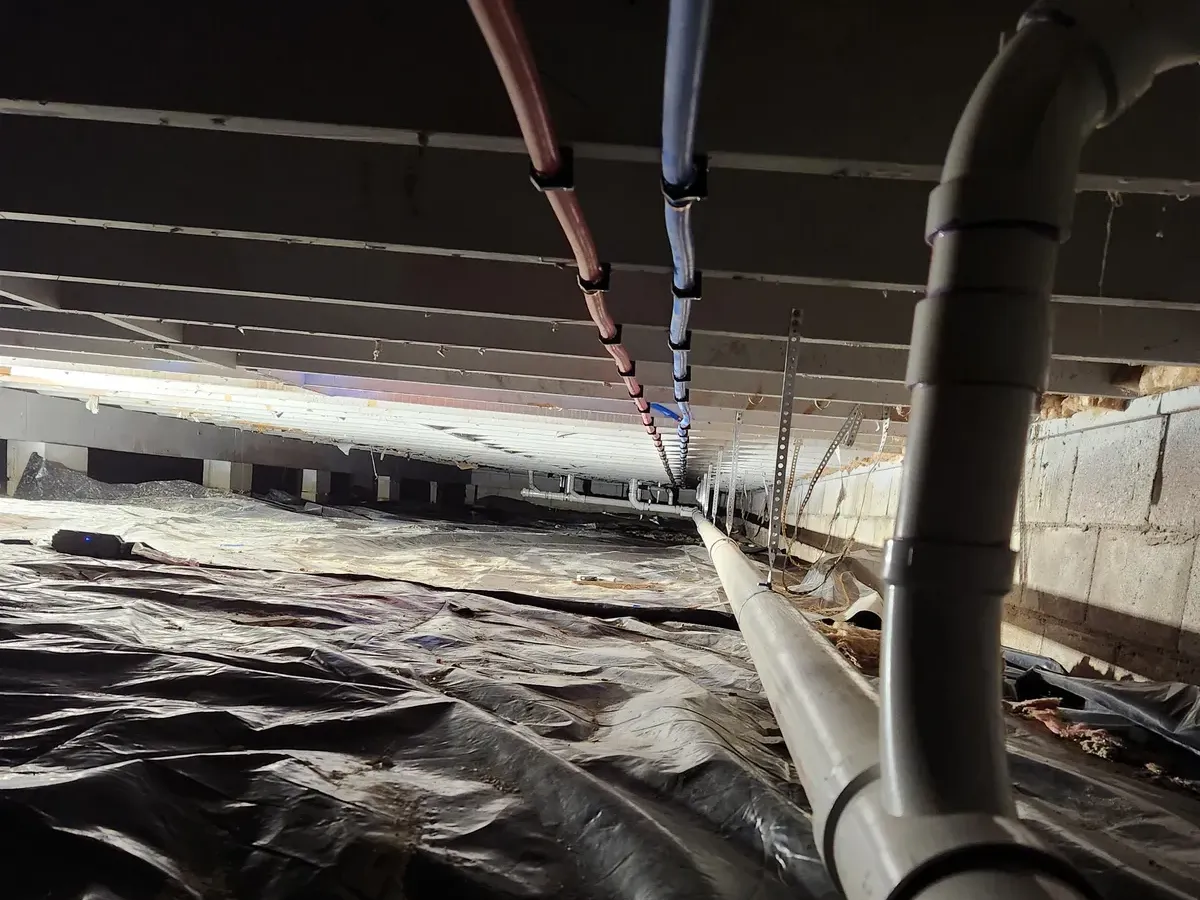
Walking downstairs to find dirty water rising from a basement floor drain is one of the most stressful things a homeowner can face. Sewage backups are unpleasant, they can damage floors and belongings, and the water itself carries real health risks. Knowing what to do in the first hour, and what likely caused the problem, helps you protect your family and your home.
Basements are common in Muncie, Anderson and across East Central Indiana, and the floor drain is usually the lowest opening in the plumbing system. When sewage has nowhere else to go, that is where it shows up first.
Put Safety First
Sewage is not ordinary floodwater. It can contain bacteria and other contaminants that make people sick. The Centers for Disease Control and Prevention explains how to stay safe around floodwater, and the same precautions apply to a sewer backup.
- Keep children and pets out of the area.
- Avoid contact with the water. If you must enter the space, wear rubber boots and waterproof gloves, and wash thoroughly afterward.
- Stay away from electricity. If water is near outlets, appliances or your electrical panel, do not walk through it. Call your electric utility or an electrician if you cannot shut off power safely.
- Ventilate if you can do so safely by opening windows to reduce odors.
What to Do First
Once everyone is safe, these steps help limit the damage.
- Stop using water in the house. Every flush, shower, sink and appliance sends more water into a line that is already blocked, and that water can come up through the floor drain.
- Tell everyone in the home not to run water until the line has been checked.
- Call a plumber. A backup means something is preventing waste from leaving your home, and it will usually happen again until the cause is found and cleared.
- Document the damage. Take photos and video of the water, the affected areas and damaged belongings before cleanup begins. This helps if you file an insurance claim.
- Check your insurance. Many standard homeowners policies do not cover sewer backups unless you have added specific coverage. The Insurance Information Institute explains sewer backup risks and coverage.
If sewage is actively rising or you cannot stop the flow, treat it as an emergency. Our emergency plumbing service page explains how to reach us.
Common Causes of a Basement Sewer Backup
A backup always has a cause, and finding it is the key to preventing the next one.
A Clog in the Main Sewer Line
Grease, so-called flushable wipes, paper towels and other items that do not break down can build up in the main line over time. When enough material collects, waste can no longer flow out, and it backs up into the lowest drain in the house.
Tree Roots
Mature trees are part of what makes older neighborhoods in East Central Indiana so appealing, but their roots are drawn to the water and nutrients inside sewer pipes. Roots can work their way into small cracks and joints and grow into a dense mass that blocks the line. Our guide to tree roots in your sewer line explains how roots get in and how they are found.
A Damaged or Sagging Sewer Pipe
Older clay and cast iron sewer laterals can crack, separate at the joints, or develop low spots called bellies where waste collects. Shifting soil and age both play a part.
Heavy Rain and the Public Sewer
Sometimes the problem is not in your line at all. During heavy rain, public sewer systems can become overloaded, and water can push back toward homes through their sewer connections. The U.S. Environmental Protection Agency describes these sanitary sewer overflows and why they happen. If neighbors are having the same problem at the same time, contact your local sewer utility.
Signs a Backup Is Coming
Many backups give warning signs first. Have your line checked if you notice:
- Several drains running slowly at the same time
- Gurgling sounds from toilets or drains when water runs elsewhere in the house
- Water rising in the shower or tub when you flush a toilet
- Sewage odors near the basement floor drain
- Small amounts of water appearing around the floor drain after heavy use
How a Plumber Finds and Fixes the Problem
The first goal is to get waste flowing again by clearing the blockage in the main line. The next step is to find out why it happened. A camera inspection sends a small waterproof camera through the sewer line so you can see exactly what is inside, whether that is roots, a grease buildup, a crack or a sagging section. With that information, you can decide on the right repair instead of clearing the same clog again and again.
For homes that have had repeated backups, a backwater valve may also be worth discussing. This device lets waste leave the house but closes to stop sewage from flowing back in.
In Indiana, overflows from public sewer systems are tracked by the state. The Indiana Department of Environmental Management explains how sewer overflow incidents are reported.
Help Prevent the Next Backup
- Keep grease, wipes and paper towels out of drains and toilets.
- Watch for slow drains and gurgling and have them checked early.
- Ask about a camera inspection if your home is older or has large trees near the sewer line.
- Consider a backwater valve if your home has had more than one backup.
Get Your Sewer Line Flowing Again
Covenant Waterworks clears main sewer lines, performs camera inspections and repairs sewer lines for homes in Muncie and communities across East Central Indiana. We show you what is causing the problem and explain your options before any work begins. Learn more about our drain cleaning and sewer repair services.
Contact Covenant Waterworks
Phone: (765) 713-5746
Email: covenantwaterworks@gmail.com