
Frozen Pipes in Indiana Homes and When to Call a Plumber
Published
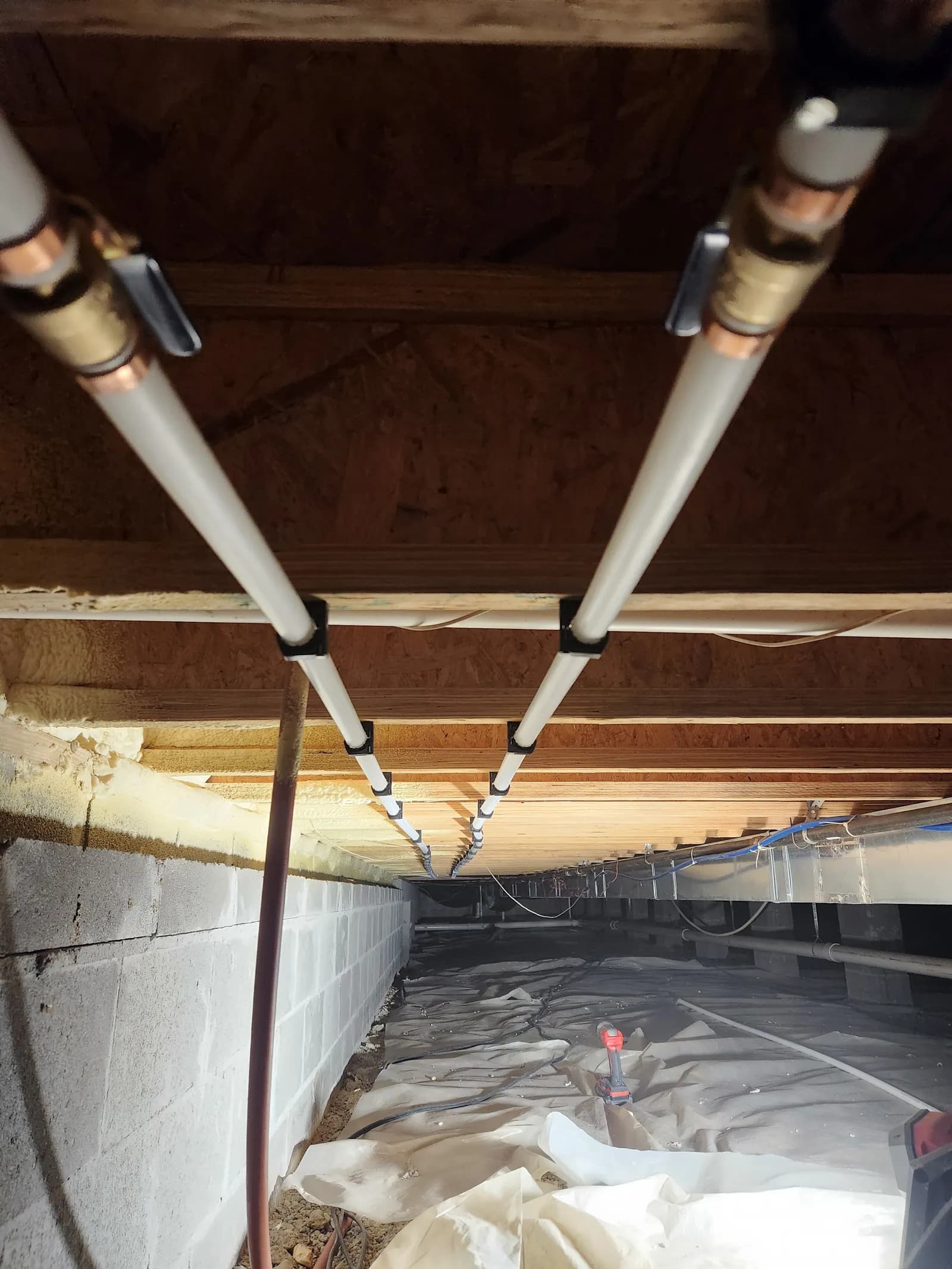
A hard cold snap can turn a normal winter morning into a plumbing emergency. When water freezes inside a pipe, it expands and builds pressure that can split the pipe open. Often the damage only shows up when the ice thaws and water starts pouring out.
For homeowners in Muncie, Yorktown, Anderson, and across East Central Indiana, knowing where pipes freeze, how to spot a frozen line, and when to call a plumber can be the difference between a quick fix and serious water damage.
Why Frozen Pipes Burst
Water expands as it turns to ice. The American Red Cross guide to frozen pipes explains that this expansion puts tremendous pressure on whatever contains it, and no matter how strong a pipe is, that pressure can cause it to break. Metal and plastic pipes are both at risk.
The break does not always happen where the ice forms. Pressure can build between the ice blockage and a closed faucet, so the split may appear in a section of pipe that never froze at all.
Where Pipes Freeze Most Often in Indiana Homes
Pipes exposed to severe cold are the most vulnerable. In East Central Indiana homes, that usually means:
- Water lines in crawlspaces, especially where vents or gaps let cold air in
- Pipes that run along exterior walls with little or no insulation
- Supply lines in unheated basements, garages, and attics
- Plumbing inside kitchen and bathroom cabinets on outside walls
- Outdoor hose bibs and sprinkler supply lines
- The point where your water service enters the home through the foundation
Crawlspace plumbing is a common source of winter calls. Those lines are out of sight, close to the cold ground, and easy to forget until something goes wrong.
Warning Signs of a Frozen Pipe
Catching a frozen pipe early gives you the best chance of thawing it before it bursts. Watch for these signs:
- Only a trickle comes out when you turn on a faucet, or nothing at all
- One fixture has no water while others work normally
- Frost or ice is visible on an exposed section of pipe
- A section of pipe looks swollen or bulged
- A toilet will not refill after flushing
If you notice any of these during freezing weather, act right away.
What to Do If You Suspect a Frozen Pipe
Your first priority is to keep the situation from getting worse.
- Find your main water shut-off. If a pipe bursts, you will need to stop the water fast. Make sure everyone in the house knows where it is.
- Leave the affected faucet open. As the frozen area melts, moving water helps the rest of the ice thaw and relieves pressure in the line.
- Never use an open flame. Torches, kerosene heaters, propane heaters, and similar devices can start a fire and can damage the pipe. The Red Cross specifically warns against them.
- Use only safe, gentle heat if you can reach the pipe. The Red Cross lists options such as an electric heating pad, a hair dryer, a portable space heater kept away from anything flammable, or towels soaked in hot water. Keep electrical devices away from standing water.
- Check every other faucet in the house. If one pipe froze, others may have too.
The Red Cross also advises calling a licensed plumber if you cannot locate the frozen area, if it is not accessible, or if you cannot thaw the pipe. Pipes inside walls, ceilings, and tight crawlspaces fall into that category for most homeowners.
Signs a Frozen Pipe Has Already Burst
Sometimes the damage is done before anyone notices. Shut off your main water supply and call for help if you see:
- Water stains or wet spots on ceilings, walls, or floors
- Dripping or spraying water from a pipe
- The sound of running water when no fixtures are on
- Puddles in the basement, crawlspace, or under cabinets
- A sudden drop in water pressure throughout the house
A burst pipe is an emergency. The longer water runs, the more damage it can do to floors, drywall, insulation, and belongings. Our emergency plumbing service handles burst and frozen pipes across East Central Indiana, from stopping the flow to making a permanent repair.
Getting Ahead of the Next Cold Snap
The best way to deal with frozen pipes is to keep them from freezing in the first place. Before and during severe cold:
- Insulate exposed pipes in crawlspaces, basements, garages, and attics. Both hot and cold lines should be covered.
- Disconnect and drain garden hoses, and shut off and drain outdoor hose bibs.
- Keep garage doors closed if water lines run through the garage.
- Open kitchen and bathroom cabinet doors on exterior walls so warm air can reach the pipes.
- Let a faucet drip on very cold nights if it is served by exposed pipes. Even a trickle helps.
- Keep your thermostat steady day and night during a deep freeze, and keep the heat on if you will be away.
The CDC's guide to preparing for a winter storm recommends insulating water lines that run along exterior walls as part of getting your home ready. For forecasts and winter weather alerts, the National Weather Service winter safety page is a reliable place to start, and the Red Cross winter storm safety guide covers broader household preparation.
If the same pipe freezes every winter, it may need better insulation or rerouting away from the cold. Our leak detection and pipe repair services include burst pipe repair and replacing damaged sections of line.
When to Call a Plumber
Call a professional when:
- You cannot find the frozen section of pipe
- The frozen pipe is inside a wall, ceiling, or hard-to-reach crawlspace
- Your safe thawing efforts are not working
- A pipe has burst or you see signs of a hidden leak
- The same area freezes year after year
We serve homeowners throughout our East Central Indiana service area, including Muncie, Yorktown, Anderson, Albany, and Eaton. For non-emergency questions or to plan pipe insulation before winter, request a free quote.
Contact Covenant Waterworks
Dealing with frozen or burst pipes in Muncie or East Central Indiana? Reach out to our team today.
Contact Number: (765) 713-5746
Email: covenantwaterworks@gmail.com